11 Restaurant Equipment Worth Investing In for a Commercial Kitchen
Choosing the right restaurant equipment helps improve kitchen efficiency, food quality, and daily operations. Whether you run a small café, food business, or a large restaurant, investing in reliable commercial kitchen equipment can save time and reduce long-term costs.
Contact CT Concepts Food Equipment Distributor today and let us help you create a professional kitchen equipped for success.
Here are 11 essential pieces of restaurant equipment worth adding to your kitchen.
1. Freezers and Refrigerators
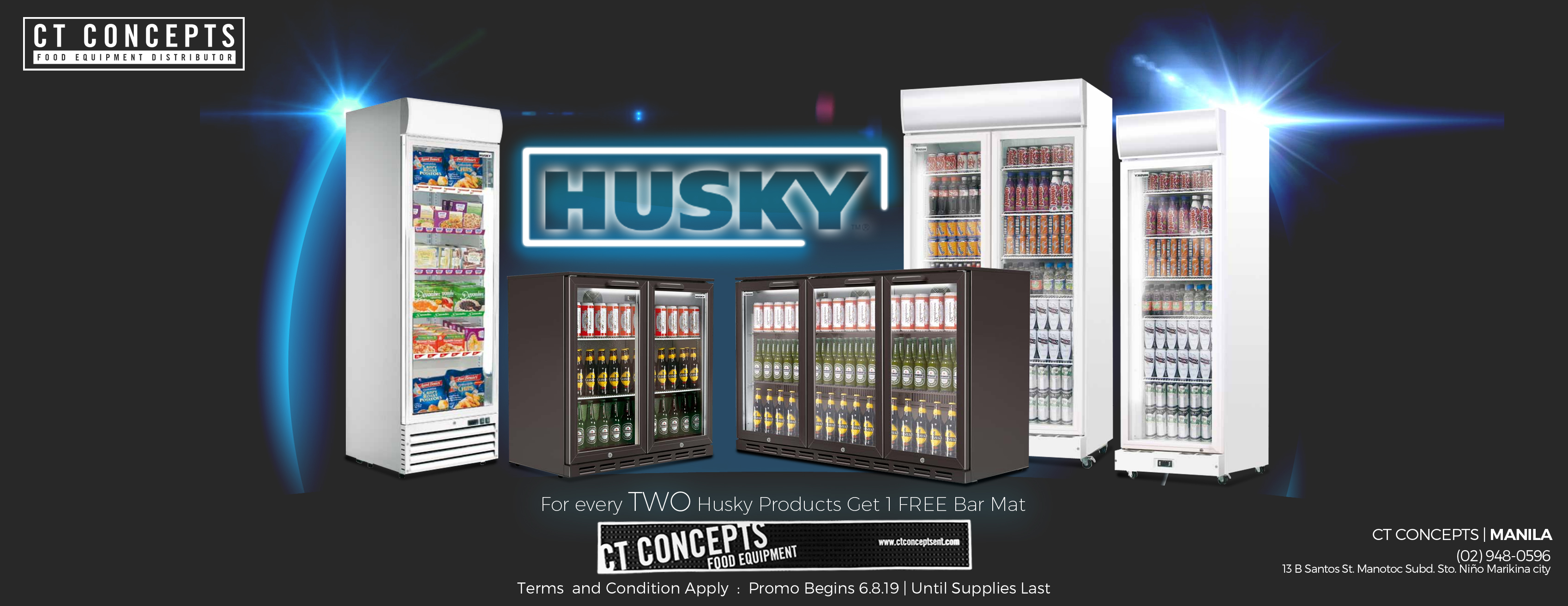
Check this CT Concept’s items for freezer and refrigerator choices.
Every commercial kitchen needs a reliable refrigeration system. Freezers and refrigerators keep ingredients fresh, prevent food spoilage, and provide safe storage for perishable items.
Commercial refrigeration equipment comes in different sizes and designs. The most common options include:
- Reach-in refrigerators and freezers
- Walk-in coolers and freezers
- Outdoor refrigeration units
Small restaurants may only need reach-in models, while larger operations often benefit from walk-in storage. Before buying, consider your kitchen size, storage needs, and daily food volume.
Proper installation and regular maintenance can help extend the life of your refrigeration equipment.
2. Food Preparation Counters
Food preparation counters are essential for cutting, mixing, and organizing ingredients. Stainless steel prep tables are a popular choice for commercial kitchens because they offer durability and easy cleaning.
Stainless steel surfaces resist corrosion and handle heavy kitchen use. For cutting boards, restaurants usually choose between plastic and wooden options.
Plastic boards are easier to sanitize, while wooden boards provide strong durability and resist deep cuts.
3. Food Slicers
A commercial food slicer helps restaurants cut meat, cheese, and other ingredients quickly and consistently.
Choose a slicer based on your kitchen workload:
- Manual slicers work well for low-volume preparation.
- Electric slicers handle large quantities and save labor.
Electric models also provide better portion control, making them useful for restaurants that need consistent food presentation.
4. Commercial Mixers
Restaurants that bake bread, pastries, or desserts need a dependable commercial mixer. The right mixer depends on the type and amount of food you prepare.
Spiral mixers work best for heavy dough, such as pizza or bagel dough. They can handle large batches and provide powerful mixing performance.
Planetary mixers offer more flexibility. They can prepare different recipes, including mashed potatoes, whipped cream, sauces, and batter.
5. Food Processors
A commercial food processor speeds up food preparation by chopping, slicing, and mixing ingredients.
The main types include:
- Batch bowl processors
- Continuous feed processors
- Buffalo choppers
- Combination processors
Batch bowl processors collect ingredients inside a container after processing. Continuous feed models allow constant ingredient loading, which helps during busy kitchen hours.
Buffalo choppers provide heavy-duty performance and can process tougher ingredients like meat and vegetables.
6. Commercial Ranges
A kitchen range serves as the main cooking station in many restaurants. It allows chefs to prepare food using direct heat, making it one of the most important pieces of restaurant cooking equipment.
Commercial ranges come in gas and electric options.
Gas ranges provide quick heat adjustment and better temperature control. Electric ranges offer a smooth surface and easier cleaning.
Induction ranges use magnetic technology and provide efficient cooking with a cooler surface.
7. Commercial Ovens
Commercial ovens support many cooking methods, including baking, roasting, and heating.
Convection ovens use fans to circulate hot air, allowing faster and more even cooking. They work well for roasting, cookies, pastries, and other baked products.
Traditional ovens remain a better choice for delicate foods like cakes, bread, and custards.
Restaurants may also need additional equipment such as:
- Deep fryers
- Flat grills
- Salamanders
- Ventilation hoods
Proper ventilation keeps the kitchen safer by removing heat, smoke, and grease.
8. Commercial Sinks
Sinks play an important role in every restaurant kitchen. They provide space for washing ingredients, cleaning dishes, and maintaining sanitation.
Many commercial kitchens require:
- Triple sink stations
- Commercial dishwashing machines
- Dedicated cleaning areas
A proper sink setup helps restaurants maintain hygiene and follow food safety standards.
9. Kitchen Display System (KDS)
A kitchen display system improves communication between the front and back of the house.
Instead of using handwritten orders, a KDS displays customer orders digitally. It helps kitchen staff track:
- New orders
- Food modifications
- Preparation time
- Order progress
A KDS can reduce mistakes and improve kitchen workflow during busy hours.
10. Restaurant Shelving and Storage
Organized storage keeps a kitchen efficient and clutter-free. Restaurant shelving provides space for ingredients, cookware, and equipment.
Stainless steel shelving is a common choice because it is strong, easy to clean, and suitable for commercial environments.
A good storage system allows staff to find items quickly and maintain a smoother workflow.
11. Restaurant Safety Equipment
Safety equipment protects employees, customers, and the entire operation.
Every restaurant should have proper:
- Fire extinguishers
- First aid supplies
- Sanitation equipment
- Emergency tools
Always follow local safety regulations when choosing restaurant safety equipment.
Final Thoughts
Investing in quality restaurant equipment improves productivity, food safety, and customer satisfaction. The right commercial kitchen tools allow your staff to work faster while maintaining consistent food quality.
Before purchasing, consider your menu, kitchen space, budget, and daily operations to choose equipment that fits your restaurant’s needs.