
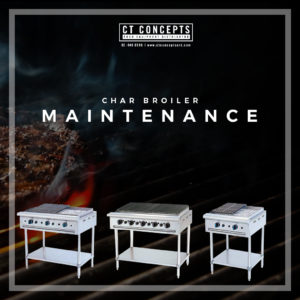
Char Broiler Maintenance
How to Clean a Charbroiler: A Complete Guide for Commercial Kitchens
A clean charbroiler is essential for maintaining food quality, kitchen safety, and equipment longevity. Over time, grease, food debris, and carbon deposits accumulate on the cooking surface and internal components. As a result, your charbroiler may become less efficient, produce unwanted smoke, and even pose a fire hazard.
Fortunately, regular cleaning is a simple yet effective way to keep your equipment operating at peak performance. In this guide, you’ll learn how often to clean your charbroiler, what tools you’ll need, and the proper steps to ensure thorough maintenance.
Why Regular Charbroiler Cleaning Is Important
Cleaning your charbroiler on a routine basis offers several important benefits:
- Reduces grease buildup and lowers the risk of grease fires
- Maintains consistent cooking performance
- Prevents flavor transfer between different foods
- Improves food safety and sanitation
- Extends the lifespan of your equipment
- Minimizes costly repairs and downtime
Additionally, a well-maintained charbroiler helps create a cleaner and more professional kitchen environment.
How Often Should You Clean a Charbroiler?
For best results, commercial charbroilers should be cleaned daily.
Throughout service, grease, fats, and food particles collect on the grates, radiants, and interior surfaces. Therefore, daily cleaning prevents excessive buildup and makes deep cleaning much easier over time.
For high-volume restaurants, hotels, cafeterias, and catering operations, more frequent spot cleaning during service may also be necessary.
What You’ll Need to Clean a Charbroiler
Before you begin, gather the following cleaning supplies:
- Wire grill brush or grill scraper
- Wash cloth or microfiber cloth
- Warm water and mild dish soap
- Cleaning gloves
- Spray degreaser
- Heavy-duty grill cleaner (optional)
- Sponge or non-abrasive scrub pad
Using the proper cleaning tools not only makes the job easier but also helps protect the cooking surfaces from damage.
Step-by-Step Guide: How to Clean a Charbroiler
Step 1: Brush the Cooking Grates
First, turn off the charbroiler while it is still warm. A warm surface helps loosen grease and food residue.
Next, use a wire grill brush or scraper to remove any stuck-on food particles, carbon deposits, and grease from the top of the grates.
Step 2: Clean the Underside of the Grates
After cleaning the top surface, carefully remove or flip the grates over.
Then, thoroughly brush the underside to eliminate grease and debris that may have accumulated during cooking.
Since buildup underneath is often overlooked, this step helps maintain consistent heat distribution and cooking performance.
Step 3: Clean the Interior and Exterior Surfaces
Allow the charbroiler to cool completely before continuing.
Once cool, wipe down the following areas using a damp cloth, warm water, and mild soap:
- Side panels
- Front and back surfaces
- Grease trays
- Splash guards
- Exterior housing
If heavy grease buildup is present, apply a commercial degreaser or grill cleaner. However, always follow the manufacturer’s instructions and rinse thoroughly afterward to prevent chemical residue.
Step 4: Clean the Radiants (If Applicable)
If your charbroiler uses radiant covers, remove them carefully and wash them separately.
For best results, clean the radiants in a sink using warm soapy water and a scrub pad. Afterward, rinse thoroughly and allow them to dry before reinstalling.
Regular radiant cleaning improves heat efficiency and reduces flare-ups.
Step 5: Maintain Lava Rocks (If Applicable)
For lava rock charbroilers, periodically flip the stones every few weeks.
Doing so allows accumulated grease to burn off naturally during operation. Eventually, heavily worn or saturated lava rocks should be replaced according to the manufacturer’s recommendations.
Common Charbroiler Cleaning Mistakes to Avoid
Although cleaning a charbroiler is straightforward, several mistakes can reduce effectiveness:
Using Excessive Water
Too much water can damage internal components and create rust issues over time.
Cleaning While Equipment Is Too Hot
Attempting to clean a fully heated charbroiler can cause burns and may damage certain cleaning tools.
Ignoring Grease Trays
Grease trays are a major source of fire hazards if not emptied and cleaned regularly.
Skipping Daily Maintenance
Even a few days of neglected cleaning can result in stubborn carbon buildup that becomes much harder to remove.
Tips to Extend the Life of Your Charbroiler
To maximize your equipment investment:
- Clean the charbroiler after every service day
- Empty grease trays regularly
- Inspect burners and heating elements periodically
- Replace damaged grates when necessary
- Follow the manufacturer’s maintenance schedule
- Train staff on proper cleaning procedures
As a result, your charbroiler will perform more efficiently and require fewer repairs.
Frequently Asked Questions (FAQ)
Can I clean a charbroiler while it’s still hot?
Yes, the grates can be brushed while they are still warm, as heat helps loosen debris. However, always allow the unit to cool before cleaning internal surfaces or using water-based cleaning solutions.
What is the best brush for cleaning a charbroiler?
A heavy-duty wire grill brush or commercial grill scraper is typically the most effective option for removing carbon deposits and grease buildup.
How often should grease trays be cleaned?
Grease trays should be emptied and cleaned daily. In high-volume kitchens, they may require cleaning multiple times throughout the day.
Can I use regular household cleaners on a charbroiler?
It is recommended to use food-service-safe degreasers and grill cleaners specifically designed for commercial kitchen equipment.
Why does my charbroiler produce excessive smoke?
Excessive smoke is often caused by accumulated grease, carbon deposits, or food debris. Regular cleaning can significantly reduce smoke production.
How can I prevent flare-ups in my charbroiler?
Routine removal of grease buildup, proper grease tray maintenance, and regular cleaning of radiants or lava rocks help minimize flare-ups.
Final Thoughts
Proper charbroiler maintenance is essential for ensuring food quality, kitchen safety, and long-term equipment performance. By following a consistent cleaning routine, you can reduce fire risks, improve cooking efficiency, and extend the lifespan of your investment.
Whether you operate a restaurant, hotel, cafeteria, or commercial kitchen, incorporating these simple cleaning practices into your daily workflow will help keep your charbroiler performing at its best.
Source : https://www.webstaurantstore.com/article/284/cleaning-a-charbroiler.html
#KitchenEquipmentPhilippines #FoodEquipmentPhilippines