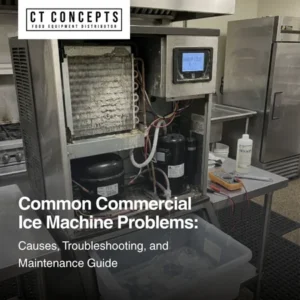
Common Commercial Ice Machine Problems: Causes, Troubleshooting, and Maintenance Guide
Commercial ice machines problems are inevitable for businesses that rely on a ice machine for steady supply of clean, high-quality ice. Whether you operate a restaurant, café, hotel, hospital, supermarket, or convenience store, an unexpected ice machine failure can disrupt operations, reduce productivity, and affect customer satisfaction.
Like any commercial equipment, ice makers experience wear and tear over time. Components become dirty, water quality changes, filters clog, and mechanical parts eventually wear out. The good news is that many common ice machine problems can be identified early and resolved before they lead to expensive repairs or complete equipment failure.
In this comprehensive guide, we’ll cover the most common commercial ice machine problems, their possible causes, troubleshooting tips, preventive maintenance practices, and when it’s time to call a professional technician.
Why Commercial Ice Machines Develop Problems
Commercial ice machines operate continuously in demanding environments. Many run 24 hours a day, producing hundreds of kilograms of ice daily. Constant operation exposes the machine to heat, moisture, minerals, and debris that gradually affect performance.
Several factors contribute to equipment problems, including:
- Normal wear and tear
- Dirty internal components
- Hard water and mineral deposits
- Poor ventilation
- Infrequent cleaning
- Clogged filters
- Electrical issues
- Improper installation
- Aging refrigeration components
Without routine maintenance, these issues can reduce ice production, increase energy consumption, shorten equipment lifespan, and result in costly downtime.
Why Regular Maintenance Matters
Routine maintenance is one of the most effective ways to keep a commercial ice maker operating efficiently. Regular inspections allow you to identify small problems before they become major repairs.
Proper maintenance helps:
- Improve ice quality
- Increase ice production
- Reduce electricity consumption
- Lower repair costs
- Extend equipment lifespan
- Maintain food safety standards
- Prevent unexpected breakdowns
A preventive maintenance schedule is always more cost-effective than emergency repairs.
Troubleshooting vs. Professional Repair
Some problems have simple solutions, such as replacing a clogged water filter or cleaning dirty condenser coils. However, issues involving the refrigeration system, electrical components, compressor, or control board should always be handled by a qualified technician.
Knowing the difference between routine troubleshooting and major repairs can save both time and money while protecting your equipment warranty.
1. Ice Machine Not Making Ice
One of the most common complaints is when the machine stops producing ice entirely.
Common Symptoms
You may notice that the machine powers on but no ice is being formed, the harvest cycle never begins, or the storage bin remains empty even after several hours.
Possible Causes
Several issues can prevent ice production, including:
- No electrical power
- Water supply interruption
- Closed water valve
- Frozen water line
- Faulty water inlet valve
- Defective thermostat
- Refrigeration system failure
- Malfunctioning control board
- Dirty condenser coils
Basic Troubleshooting Steps
Before requesting service:
- Confirm the machine is plugged in.
- Check the circuit breaker.
- Verify the water supply valve is open.
- Inspect the water filter.
- Clean the condenser coils.
- Restart the machine following the manufacturer’s instructions.
When Professional Repair Is Required
If the machine still fails to produce ice after basic troubleshooting, a technician should inspect the compressor, refrigerant system, sensors, or electronic controls.
2. Low Ice Production
Low ice production means the machine is still making ice but not at its normal capacity.
Signs of Reduced Output
- Storage bin fills much slower
- Unable to meet daily demand
- Longer harvest cycles
Common Causes
Dirty Condenser Coils
Dust and grease prevent proper heat transfer, forcing the refrigeration system to work harder.
Clogged Water Filter
Restricted water flow limits the amount of ice produced.
High Ambient Temperature
Machines installed near ovens, grills, or in poorly ventilated rooms struggle to cool efficiently.
Incorrect Machine Settings
Some machines allow production adjustments that may accidentally reduce output.
How to Improve Production
- Clean condenser coils regularly.
- Replace clogged filters.
- Improve room ventilation.
- Keep surrounding temperatures within manufacturer recommendations.
- Ensure unrestricted airflow around the machine.
3. Ice Cubes Are Too Small or Thin
Thin or undersized ice usually indicates insufficient water entering the freezing system.
Common Causes
- Low water pressure
- Partially blocked water lines
- Scale buildup
- Dirty water filter
- Faulty water inlet valve
Recommended Solutions
- Check incoming water pressure.
- Replace the water filter.
- Descale the machine.
- Inspect water lines for restrictions.
- Schedule professional servicing if the issue continues.
4. Ice Machine Leaking Water
Water leaks should never be ignored because they may damage floors and surrounding equipment.
Common Leak Locations
- Under the machine
- Drain connections
- Water supply fittings
- Ice bin
- Internal hoses
Possible Causes
- Blocked drain lines
- Loose water connections
- Cracked hoses
- Damaged fittings
- Overflowing drain pan
Preventive Maintenance
Inspect hoses and drain lines regularly, tighten loose fittings, and clean drains before blockages develop.
5. Ice Has a Bad Taste or Odor
Ice should always be clean, clear, and odor-free.
Common Causes
Poor Water Quality
Contaminated water directly affects ice quality.
Dirty Water Filters
Old filters trap contaminants that eventually affect taste.
Mold and Bacteria
Warm, damp environments encourage microbial growth inside the machine.
Infrequent Cleaning
Food residue, dust, and biofilm accumulate over time.
Improving Ice Quality
Regular cleaning, sanitizing, and filter replacement significantly improve the taste and smell of ice while maintaining food safety.
6. Cloudy or Soft Ice
Clear ice is generally a sign of good water quality and proper freezing conditions.
Causes of Cloudy Ice
- Hard water
- Excess dissolved minerals
- Poor filtration
- Incomplete freezing
- Refrigeration issues
Solutions
Install an appropriate water filtration system, descale the machine regularly, and ensure the refrigeration system is functioning correctly.
7. Ice Machine Problems Freezing Up
Ice accumulation inside the machine can interfere with normal operation.
Possible Causes
- Faulty thermostat
- Defective sensors
- Refrigeration imbalance
- Poor airflow
- Dirty evaporator
Recommended Maintenance
Regular cleaning and scheduled inspections help prevent excessive ice buildup before it causes major damage.
8. Ice Machine Problems Making Unusual Noises
Commercial ice machines normally produce some operational sounds, but unusual noises often indicate developing mechanical problems.
Common Sounds
Grinding
May indicate worn bearings or motor problems.
Buzzing
Can result from electrical issues or failing components.
Clicking
Often associated with relays, switches, or harvest cycle components.
Vibrating
Usually caused by loose panels, uneven installation, or worn mounts.
When to Call a Technician
Persistent or increasingly loud noises should be inspected before they lead to equipment failure.
9. Ice Machine Problems Won’t Turn On
A machine that does not power up requires immediate attention.
Possible Causes
- No electrical supply
- Tripped breaker
- Faulty power switch
- Damaged wiring
- Failed control board
Safety Checks
Never bypass electrical safety devices. If electrical problems are suspected, disconnect power and contact a qualified technician.
10. Ice Bin Overflowing
An overflowing ice bin wastes water, electricity, and ice.
Possible Causes
- Faulty bin sensor
- Ice level control failure
- Harvest cycle malfunction
Preventing Overflow
Regularly inspect sensors and ensure the bin control system is clean and functioning correctly.
11. Slow Ice Production
Slow production differs from low production because the machine eventually reaches capacity but takes much longer than expected.
Common Causes
- Dirty condenser
- High room temperature
- Poor airflow
- Restricted water supply
- Seasonal increases in ambient temperature
Improving ventilation and performing routine maintenance often restores normal production speed.
12. Machine Shuts Off Unexpectedly
Unexpected shutdowns are often caused by protective safety features.
Possible Causes
- Overheating
- Faulty sensors
- Electrical faults
- Compressor overload
- Control board problems
Preventive maintenance helps identify overheating issues before repeated shutdowns occur.
13. Water Filter Problems
Water filters play a critical role in producing clean, high-quality ice.
Signs the Filter Needs Replacement
- Reduced water flow
- Slow ice production
- Cloudy ice
- Bad taste
- Unpleasant odor
Replacement Schedule
Most commercial water filters should be replaced every 6 to 12 months, depending on water quality, usage, and manufacturer recommendations.
14. Mineral Scale and Limescale Buildup
Hard water contains minerals that gradually accumulate inside the machine.
Effects of Scale
- Reduced efficiency
- Lower ice production
- Increased energy consumption
- Damaged evaporator plates
- Shortened equipment lifespan
Descaling
Regular descaling removes mineral deposits before they damage internal components. Businesses in hard water areas may require more frequent descaling and additional water treatment systems.
15. Mold and Slime Growth
Moist environments create ideal conditions for mold, yeast, and slime formation.
Why Mold Develops
Poor cleaning practices, warm temperatures, and standing water encourage microbial growth.
Health and Food Safety Concerns
Contaminated ice can pose health risks and may violate food safety regulations.
Commonly Affected Areas
- Water reservoir
- Ice bin
- Drain lines
- Evaporator
- Water distribution system
Prevention
Follow the manufacturer’s cleaning schedule, sanitize the machine regularly, and ensure proper drainage to minimize microbial growth.
Preventive Maintenance Tips
Preventive maintenance is the best defense against unexpected breakdowns and costly repairs.
Perform Daily Inspections
Check for leaks, unusual noises, warning lights, and proper ice production.
Clean the Machine Regularly
Remove dirt, debris, and food particles that can affect hygiene and performance.
Schedule Routine Descaling
Descale the machine based on your local water hardness to prevent mineral buildup.
Replace Water Filters
Install new filters according to the manufacturer’s recommended schedule to maintain water flow and ice quality.
Clean Condenser Coils
Dust and grease buildup on condenser coils reduce efficiency and increase energy consumption. Cleaning them regularly helps maintain proper cooling performance.
Monitor Water Quality
Poor water quality contributes to cloudy ice, unpleasant taste, mineral deposits, and reduced equipment life. Water testing and filtration can significantly improve performance.
Schedule Annual Professional Servicing
A certified technician can inspect refrigeration pressures, electrical components, sensors, compressors, and other critical systems that require specialized equipment and expertise.
When to Call a Professional Technician
While routine maintenance can solve many minor issues, certain problems require professional diagnosis and repair.
Contact a qualified technician if you experience:
- Refrigeration system failures
- Compressor problems
- Electrical faults
- Persistent water leaks
- Repeated machine shutdowns
- Faulty control boards
- Major component failures
- Refrigerant leaks
Using genuine replacement parts and certified service technicians helps maintain equipment reliability, efficiency, and manufacturer warranty coverage.
Frequently Asked Questions
Why is my ice machine not making ice?
Common causes include power interruptions, water supply issues, clogged filters, dirty condenser coils, faulty sensors, or refrigeration problems. Start with basic troubleshooting before contacting a technician.
How often should I clean my ice machine?
Most commercial ice machines should undergo routine cleaning every three to six months. However, businesses operating in high-volume environments or areas with hard water may require more frequent cleaning and sanitizing.
Why does my ice taste bad?
Bad-tasting ice is often caused by poor water quality, expired water filters, mold growth, bacteria, or insufficient cleaning. Regular sanitation and filter replacement help maintain fresh, clean ice.
How can I improve ice production?
Keep condenser coils clean, replace clogged water filters, ensure adequate ventilation, maintain proper room temperatures, and follow the manufacturer’s maintenance schedule.
What causes cloudy ice?
Cloudy ice is commonly caused by hard water, dissolved minerals, inadequate filtration, or freezing issues within the machine. Installing a quality water filtration system and performing regular descaling can improve ice clarity.
How often should I replace the water filter?
Most commercial ice machine water filters should be replaced every six to twelve months, although replacement frequency may vary depending on water quality and daily usage.
Can I repair an Ice Machine Problems myself?
Basic maintenance tasks such as cleaning, replacing filters, and inspecting water lines can often be performed by trained staff. However, repairs involving electrical systems, refrigeration components, compressors, or control boards should always be handled by a qualified technician.
How do I know if it’s time to replace my machine?
If your commercial ice machine experiences frequent breakdowns, rising repair costs, declining ice production, poor energy efficiency, or has reached the end of its expected service life, replacing the unit may be more cost-effective than continued repairs.
Keep Your Commercial Ice Machine Running at Peak Performance
Most commercial ice machine problems begin as small issues that can be prevented through regular cleaning, routine inspections, and timely maintenance. Addressing warning signs early helps minimize downtime, reduce repair costs, improve ice quality, and extend the lifespan of your equipment.
If your business needs expert maintenance, troubleshooting, repairs, or a reliable replacement commercial ice maker, CT Concepts Enterprise provides high-quality commercial ice machines and professional support for restaurants, hotels, cafés, hospitals, supermarkets, and other businesses across the Philippines. Our experienced team can help you diagnose issues, recommend the right solutions, and keep your ice machine operating efficiently for years to come.