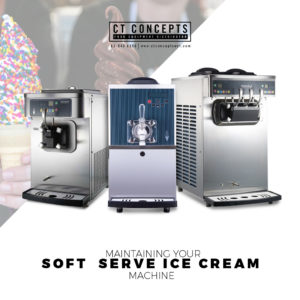
Maintaining your Soft Served Ice cream Machine
Proper sanitization is one of the most important aspects of operating a soft serve machine. Regular cleaning helps maintain product quality, protects customer health, and extends the lifespan of your equipment. In addition, proper maintenance can prevent costly breakdowns and unexpected downtime.
Soft serve and frozen yogurt products can leave behind residue and bacteria inside the machine. Over time, worn seals and hard-to-reach areas can trap product buildup. If operators neglect regular cleaning, unpleasant odors, bacterial growth, and mechanical problems can develop.
Why Soft Serve Machine Sanitization Matters
Health regulations require food businesses to sanitize soft serve machines regularly. Proper sanitization helps prevent product contamination and supports food safety standards. Furthermore, clean equipment produces better-tasting products and maintains consistent quality.
Many local health authorities require routine inspections and bacterial testing. Therefore, business owners should understand local regulations and manufacturer recommendations. Following a regular cleaning schedule helps avoid compliance issues and potential health risks.
Understanding Heat Treatment Systems
Some commercial soft serve machines include heat treatment systems. These systems automatically heat and cool the product mix to control bacterial growth. As a result, operators can reduce the frequency of complete machine disassembly.
However, a heat treatment system does not eliminate the need for daily cleaning. Staff should still wipe down external surfaces and inspect the machine regularly. In addition, operators should monitor the system to ensure it functions correctly.
Step-by-Step Guide to Sanitizing a Soft Serve Machine
Step 1: Empty the Product
Begin by washing your hands thoroughly. Turn off the machine and allow the remaining product to soften. Then drain the product into a clean container.
If local regulations allow product reuse and the product remains fresh, you may store it properly for later use. Otherwise, dispose of it safely. When in doubt, prioritize food safety.
Step 2: Rinse the Machine
Pour cool water into the hoppers and rinse the machine thoroughly. Allow the rinse water to circulate through the system. Afterward, drain the water completely.
Repeat this process until no visible residue remains. Clean hoppers improve sanitation and prepare the machine for the next step. This process also helps remove leftover product from internal components.
Step 3: Use Wash Mode
Many modern soft serve machines include a wash mode. This feature allows internal components to rotate without activating the freezing system. Consequently, operators can clean the machine more effectively.
Always stop the machine between cleaning stages. Running internal parts without liquid can increase wear and damage components. Therefore, follow manufacturer instructions carefully.
Step 4: Apply Sanitizing Solution
Use only a manufacturer-approved sanitizing solution. Pour the sanitizer into the hoppers and run the machine in wash mode for five to ten minutes. This process helps eliminate bacteria and microorganisms.
After the cycle finishes, drain the sanitizer completely. Then flush the machine with clean water two or three times. Proper rinsing removes any remaining sanitizer from the system.
Step 5: Clean Small Components
Remove parts such as star caps, cylinders, O-rings, and dispensing components. These areas often collect residue and bacteria. Therefore, they require special attention during cleaning.
Use cleaning brushes to reach small spaces and hidden corners. Allow components to soak in sanitizing solution for approximately ten minutes. Then rinse with cool water and allow them to air dry.
Cleaning the Condenser Filter
A dirty condenser filter reduces machine efficiency. When airflow becomes restricted, the refrigeration system must work harder to maintain proper temperatures. Consequently, energy consumption increases and component wear accelerates.
Inspect the filter regularly and clean or replace it as needed. This simple maintenance task can improve performance and extend equipment life. It also helps maintain consistent product temperatures.
Reassembly and Lubrication
Before reassembling the machine, inspect all components carefully. Apply food-grade lubricant to moving parts according to the manufacturer’s instructions. Proper lubrication helps components move smoothly and maintain effective seals.
Never substitute food-grade lubricant with petroleum jelly or household lubricants. These products can contaminate food and damage machine components. Always use the recommended lubricant for safe operation.
Common Soft Serve Machine Maintenance Mistakes
Using the Wrong Lubricant
Many equipment issues begin when operators use incorrect lubricants. Petroleum jelly and other non-food-grade products can damage seals and contaminate product. Always use manufacturer-approved lubricants.
Losing Small Parts During Cleaning
O-rings, gaskets, and other small components can easily get misplaced. Missing parts may cause leaks and operational problems. Therefore, store components in a dedicated container during cleaning.
Skipping Product Priming
Some operators forget to prime the product after cleaning. This mistake can cause freezing problems and poor product flow. Proper priming ensures smooth operation and consistent dispensing.
Poor Ventilation Around the Machine
Soft serve machines require adequate airflow. If the machine cannot release hot air effectively, the compressor works harder than necessary. Over time, this can reduce equipment lifespan.
Installing the Machine Near Heat Sources
Avoid placing the machine beside ovens, fryers, or other heat-producing equipment. Excessive heat forces the refrigeration system to work harder. As a result, energy consumption increases and performance may decline.
Benefits of Regular Soft Serve Machine Maintenance
Routine cleaning and maintenance help protect your investment. A properly maintained machine operates more efficiently, produces higher-quality products, and experiences fewer breakdowns. Furthermore, clean equipment helps businesses comply with food safety regulations.
When operators understand proper sanitization procedures, they can reduce repair costs and extend equipment lifespan. Most importantly, customers receive safe and consistently delicious soft serve products every time.
Frequently Asked Questions
How often should a soft serve machine be sanitized?
Most manufacturers recommend daily sanitization and regular deep cleaning. However, cleaning schedules may vary based on local health regulations and machine type.
Can I use any sanitizer for a soft serve machine?
No. Always use a manufacturer-approved food-safe sanitizing solution. Using the wrong product may damage equipment or contaminate food.
Why does my soft serve machine smell bad?
Product residue, bacterial buildup, or worn seals often cause unpleasant odors. Regular cleaning and maintenance can prevent these issues.
What happens if I skip machine sanitization?
Skipping sanitization increases the risk of bacterial growth, product contamination, equipment damage, and health code violations.
How can I extend the lifespan of my soft serve machine?
Clean the machine regularly, replace worn parts promptly, maintain proper ventilation, and follow the manufacturer’s maintenance schedule.
How to Clean and Operate Pasmo Ice Cream Machine https://www.youtube.com/watch?v=85n5Lv5VES0