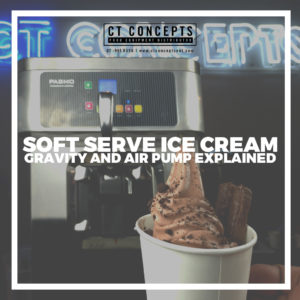
Soft serve ice cream: gravity and air pump explained
The Power of Pressurized Soft Serve Machines
Pressurized soft serve machines help businesses achieve higher sales volume while maintaining superior product quality. In addition, they create a smoother texture and stronger structure for soft serve ice cream and frozen yogurt. Understanding how these machines work can help business owners choose the right equipment for their operation.
Understanding Overrun and Its Impact
When a soft serve machine freezes the product mix, it also incorporates air into the mixture. This process expands the final product and increases yield. The percentage of air added during freezing is known as overrun.
Overrun directly affects texture, consistency, appearance, and profitability. A well-balanced overrun creates a smoother and creamier dessert. As a result, customers enjoy a more appealing product, and businesses can maximize their ingredient usage.
How Overrun Affects Product Quality
Low overrun often leads to poor structure and uneven melting. Consequently, the product may lose its shape quickly and appear less attractive to customers.
On the other hand, proper overrun creates a soft serve product with excellent stability and visual appeal. It maintains a consistent texture from the first serving to the last. Furthermore, it holds its shape even during busy service periods.
Why Pressurized Machines Perform Better
Businesses that want premium-quality soft serve often choose pressurized machines. These machines can achieve overrun levels of 65% or more. In comparison, gravity-fed machines typically reach only about 35% overrun.
Because of this difference, pressurized machines produce a creamier texture and a more consistent product. Moreover, they help operators increase production efficiency without sacrificing quality.
Gravity-Fed vs. Pump-Fed Machines
The main difference between gravity-fed and pump-fed machines lies in how they introduce air into the mix. Gravity-fed machines rely on air tubes, while pressurized machines use pumps.
As a result, pump-fed machines generate more overrun and produce a greater volume of finished product. Therefore, they are often the preferred choice for businesses with high customer demand.
Taste and Texture Differences
Gravity-fed machines create a richer and more intense flavor profile. Meanwhile, pressurized machines produce a lighter and smoother texture. This softer taste often appeals to a broader range of customers.
Supporting Higher Sales Volume
Business location and customer demand can influence equipment selection. However, businesses that expect high sales volume often benefit more from a pressurized machine.
These machines can produce 20% to 30% more finished product from the same mix. Consequently, operators can improve profitability and reduce long-term production costs. For many growing businesses, this advantage makes a pressurized soft serve machine a worthwhile investment.
Source : https://slicesconcession.com/blogs/frozen-dessert-industry-and-machine-articles/the-power-of-pressurized-soft-serve-machines
#KitchenEquipmentPhilippines #FoodEquipmentPhilippines